How Reliable is SporTran for Commuting? 2025 Complete Guide
SporTran serves as Shreveport-Bossier City’s primary public transportation system, operating 12 fixed routes across Louisiana’s northwest region. With over 1.2 million annual passenger trips, this transit authority provides essential commuting services to thousands of residents daily, offering an affordable alternative to personal vehicle ownership in an area where public transportation options remain limited.
SporTran Service Coverage and Route Network
SporTran operates 12 comprehensive bus routes throughout Shreveport and Bossier City, covering approximately 240 square miles of the metropolitan area. The system connects major employment centers, shopping districts, medical facilities, and residential neighborhoods, making it a viable transportation option for daily commuters. Routes include the popular Cross Bayou, Youree Drive, and Downtown Connector lines that serve the highest ridership areas.
The transportation network operates Monday through Saturday, with most routes running from 5:30 AM to 7:30 PM, providing adequate coverage for standard work schedules. However, limited Sunday service and reduced evening hours can present challenges for shift workers or weekend commuters who rely on public transport as their primary means of getting around the metro area.
Key Routes for Daily Commuters
The most reliable routes for regular commuting include Route 1 (Cross Bayou), Route 2 (Youree Drive), and Route 7 (Mall/Airport), which maintain consistent 60-minute headways during peak hours. These routes connect major employment hubs like downtown Shreveport, the medical district, and shopping centers, making them essential for workers without personal vehicles.
Service Area Limitations
While SporTran covers major corridors, some suburban areas lack direct public transportation access, requiring residents to walk significant distances to reach bus stops. Rural communities on the metropolitan periphery remain largely unserved, limiting the system’s utility for commuters living in outlying areas of Caddo and Bossier parishes.
Schedule Reliability and On-Time Performance
SporTran maintains an on-time performance rate of approximately 85-90% according to 2024 transit authority reports, which aligns with national averages for similar-sized transit systems. However, reliability varies significantly between routes, with downtown and medical district services showing better punctuality than routes serving more dispersed suburban areas where traffic congestion and longer distances between stops can cause delays.
Weather conditions significantly impact schedule reliability in Louisiana’s subtropical climate, particularly during summer thunderstorms and occasional winter weather events. Riders frequently report delays during peak hurricane season (June through November) and during flooding events that periodically affect the Red River valley region where much of the service area is located.
Real-Time Tracking and Technology Integration
SporTran has invested in modern GPS tracking technology and real-time passenger information systems to improve service reliability and rider experience. The system provides mobile app access and text message alerts for route delays, helping commuters plan their journeys more effectively and reduce wait times at bus stops throughout the service area.
However, technology adoption remains inconsistent across the fleet, with some older vehicles lacking comprehensive tracking capabilities. Rural and less-frequented routes sometimes experience communication gaps that prevent real-time updates, leaving riders uncertain about arrival times and potential service disruptions that could affect their daily commute schedule.
Mobile App and Digital Services
The SporTran mobile app provides route planning and real-time bus locations for most services, though user reviews indicate occasional accuracy issues during peak travel periods. The app includes trip planning tools and fare information, making it easier for new riders to navigate the public transportation system.
Stop Infrastructure and Accessibility
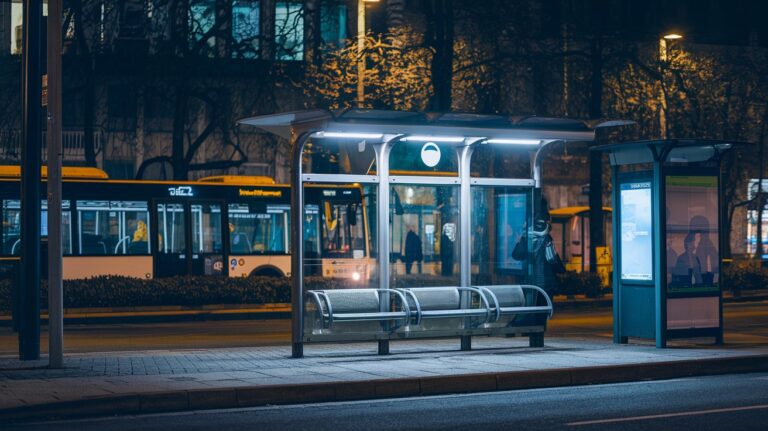
Bus stop infrastructure varies widely across the system, with downtown areas featuring covered shelters and benches while suburban stops often provide minimal amenities. ADA compliance improvements continue throughout the network, though some older stops still present accessibility challenges for mobility-impaired passengers.
Safety and Security Record
SporTran maintains a strong safety record with professional drivers who undergo regular training and background checks. The transit authority reports low incident rates compared to national averages, with security cameras installed on all vehicles and at major transit stops to ensure passenger safety during commuting hours.
However, some routes serving higher-crime areas experience occasional security concerns, particularly during evening hours when ridership decreases and natural surveillance is reduced. The transit authority works closely with local law enforcement to address safety issues and maintain secure transportation for daily commuters throughout the metropolitan area.
Fleet Condition and Vehicle Amenities
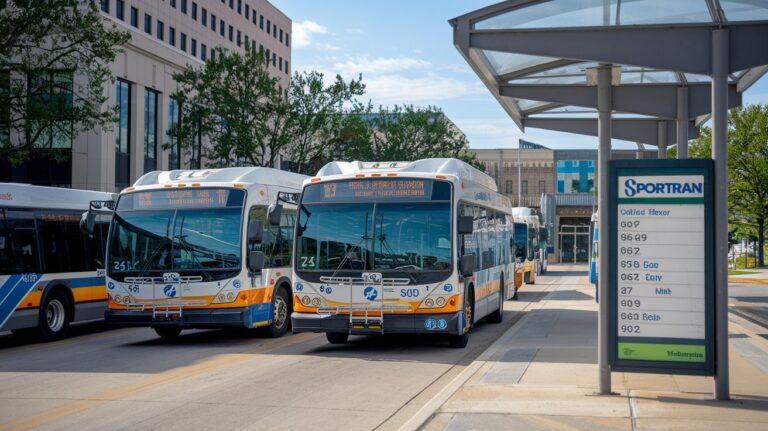
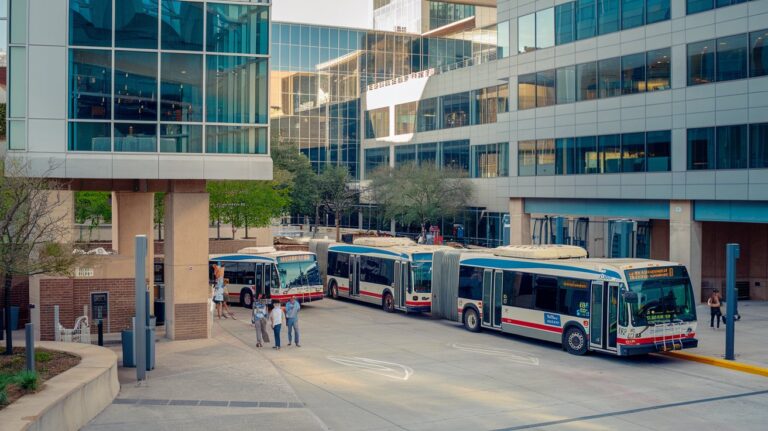
The SporTran fleet consists of approximately 50 buses with varying ages and conditions, including newer low-floor accessible vehicles and some older models that may experience more frequent mechanical issues. Air conditioning is standard across the fleet, essential for Louisiana’s hot, humid climate, though some older vehicles may have less reliable climate control systems.
Modern vehicles feature wheelchair accessibility, bike racks, and comfortable seating designed for daily commuters. However, fleet age variations mean that ride quality and amenities can differ significantly depending on which vehicle serves a particular route on any given day, affecting the overall commuting experience.
Maintenance and Reliability Standards
Regular preventive maintenance programs help ensure vehicle reliability, though budget constraints sometimes result in deferred maintenance that can lead to unexpected breakdowns during service. The transit authority maintains a spare ratio to minimize service disruptions when vehicles require repairs.
Comfort Features for Daily Commuters
Most SporTran buses include essential comfort features like air conditioning and cushioned seating, though WiFi availability remains limited across the fleet. Priority seating areas accommodate elderly and disabled passengers, while bike racks enable multimodal commuting options for riders who combine cycling with public transit.
Fare Structure and Affordability
SporTran offers affordable transportation with adult fares at $1.00 per ride and reduced rates for seniors, students, and disabled passengers. Monthly passes provide additional savings for regular commuters, making public transportation a cost-effective alternative to vehicle ownership, insurance, and fuel costs in the Shreveport-Bossier metropolitan area.
The fare structure remains competitive compared to similar transit systems across the United States, though limited transfer options between routes can increase total travel costs for trips requiring multiple buses. Cash-only payment systems on some vehicles can create inconvenience for riders who prefer electronic payment methods.
User Experience and Community Feedback
Community feedback on SporTran reliability shows mixed results, with regular commuters generally reporting satisfactory service for basic transportation needs while noting areas for improvement in frequency and coverage. Social media discussions and local forums frequently mention punctuality issues during peak hours and limited weekend service as primary concerns.
Positive user experiences often highlight friendly drivers and clean vehicles, while negative feedback focuses on schedule adherence and route coverage gaps. The transit authority actively solicits community input through public meetings and surveys to identify service improvements and address reliability concerns affecting daily commuters.
Comparison with National Transit Standards
SporTran’s performance metrics align with national averages for small to medium-sized transit systems, though they fall below standards set by larger metropolitan areas with more extensive public transportation networks. Service frequency, coverage density, and operational hours reflect typical characteristics of transit systems serving similar-sized communities across the United States.
When compared to other Louisiana public transportation systems, SporTran demonstrates competitive reliability and service quality, though it lacks the comprehensive coverage and frequency found in major metropolitan areas like New Orleans or Baton Rouge. Limited state and federal funding affects system expansion and service enhancement capabilities.
Future Improvements and System Development
SporTran continues developing plans for service expansion and reliability improvements, including route optimization studies and technology upgrades designed to enhance the commuting experience. Federal and state grant opportunities may provide funding for fleet replacement and infrastructure improvements that could significantly improve service reliability.
Proposed improvements include increased service frequency on popular routes, extended operating hours, and enhanced real-time passenger information systems. However, implementation timelines depend on funding availability and community support for public transportation investments in the region.
Related video about how reliable is sportran for commuting
This video complements the article information with a practical visual demonstration.
Key Questions and Answers
What is considered a reliable source of transportation?
A reliable transportation source maintains consistent schedules, provides safe and comfortable vehicles, offers adequate route coverage, and delivers predictable service quality. For public transit like SporTran, reliability includes on-time performance rates above 85%, regular maintenance schedules, real-time passenger information, and consistent daily operations throughout the service area.
Is public transportation a good idea for daily commuting?
Public transportation offers significant benefits including cost savings, reduced environmental impact, and decreased traffic congestion. For SporTran users, monthly passes cost substantially less than vehicle ownership expenses while providing access to major employment and service centers throughout the Shreveport-Bossier metropolitan area, making it an excellent option for budget-conscious commuters.
Is public transport good in the USA compared to other countries?
American public transportation varies significantly by region, with major metropolitan areas offering comprehensive systems while smaller cities like Shreveport provide more limited services. SporTran represents typical small-city transit, offering basic reliable service though with less frequency and coverage than European or Asian systems. However, it remains essential transportation infrastructure for many residents.
How reliable is SporTran compared to other Louisiana transit systems?
SporTran maintains competitive reliability standards compared to similar-sized Louisiana transit systems, with on-time performance rates around 85-90%. While not as extensive as New Orleans’ RTA system, SporTran provides consistent service for its service area size and demonstrates professional operations with modern safety standards and community-focused route planning.
What are the biggest challenges for SporTran commuters?
Primary challenges include limited weekend and evening service, 60-minute headways between buses during peak hours, and coverage gaps in suburban areas. Weather delays during Louisiana’s storm season and the cash-only payment system on some vehicles also present obstacles for daily commuters who depend on consistent, convenient public transportation.
Can SporTran replace personal vehicle ownership for commuting?
SporTran can effectively replace personal vehicles for commuters living and working along established routes, particularly those traveling between downtown, medical district, and major shopping areas. However, suburban residents or those with non-standard work schedules may find the limited service hours and route coverage insufficient for complete vehicle replacement, making it better suited as a supplementary transportation option.
| Reliability Factor | SporTran Performance | Commuter Benefit |
|---|---|---|
| On-Time Performance | 85-90% reliability rate | Predictable daily schedules |
| Route Coverage | 12 routes covering 240 sq miles | Access to major employment centers |
| Fare Affordability | $1.00 per ride, monthly passes available | Significant cost savings over car ownership |
| Safety Record | Low incident rates, professional drivers | Secure transportation option |
| Technology Integration | GPS tracking, mobile app, real-time updates | Enhanced trip planning capabilities |