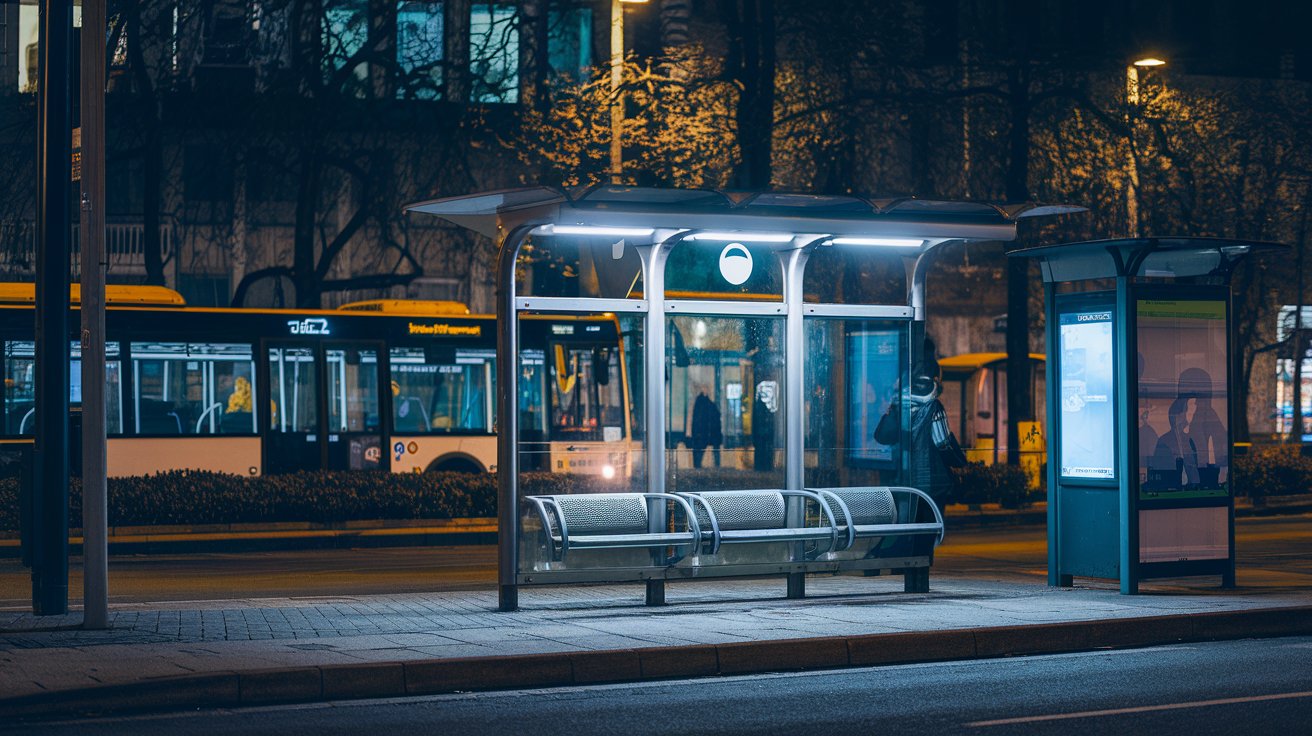
Bus Stop Safety Tips at Night: Your Complete Guide 2025
Nighttime bus travel requires extra precautions to ensure your safety and security. Whether you’re commuting from work or traveling for personal reasons, knowing proper bus stop safety tips at night can protect you from potential dangers. This comprehensive guide provides practical strategies to help you navigate public transportation safely after dark, covering everything from pre-trip planning to situational awareness techniques that can make the difference between a safe journey and a dangerous encounter.
Pre-Trip Planning and Schedule Management
Effective bus stop safety at night begins long before you step outside. Research your bus route thoroughly using official transit apps or websites to confirm exact departure times and potential delays. During evening hours, buses often run less frequently, making it crucial to arrive at your stop with precise timing. Check for any service alerts or route changes that might affect your journey, as nighttime construction or special events can alter normal schedules.
Download your local transit authority’s official app and enable real-time tracking to monitor your bus’s exact location. This prevents extended waiting periods at poorly lit or isolated stops. Many transit systems in major US cities like New York, Chicago, and Los Angeles offer GPS tracking that shows bus arrival times within one to two minutes of accuracy. Plan alternative routes in case your primary bus experiences delays or mechanical issues.
Choosing the Right Bus Stop Location
Not all bus stops provide equal safety levels during nighttime hours. Select stops that are well-lit and visible from multiple directions, preferably near businesses that remain open during evening hours. Avoid isolated stops in industrial areas or residential neighborhoods with poor street lighting. Many transit authorities designate certain stops as “safe havens” with enhanced lighting, emergency call boxes, and increased security presence.
Timing Your Departure Strategically
Arrive at your bus stop no more than 3-5 minutes before the scheduled arrival time to minimize exposure time. Use real-time tracking to monitor bus locations and adjust your departure from home or work accordingly. If your bus is running significantly late, consider alternative transportation options rather than waiting alone at an isolated stop for extended periods.
Personal Safety Equipment and Preparation
Proper preparation involves carrying essential safety equipment that can help you respond to emergencies or deter potential threats. Keep your cell phone fully charged and consider carrying a portable battery pack for extended trips. Install safety apps like bSafe, Noonlight, or your city’s official emergency app that can quickly alert authorities and share your location with trusted contacts. These apps often include features like fake phone calls, loud alarms, and automatic emergency notifications.
Carry a small flashlight or ensure your phone’s flashlight function works properly, as adequate lighting can help you navigate safely and make you more visible to bus drivers. Consider carrying a whistle or personal alarm device that can attract attention if you feel threatened. Avoid displaying expensive electronics, jewelry, or large amounts of cash that might make you a target for theft.
Situational Awareness and Environmental Scanning
Developing strong situational awareness skills is fundamental for nighttime bus safety. Continuously scan your surroundings for potential threats, unusual behavior, or changes in the environment around your bus stop. Pay attention to individuals who seem to be loitering without apparent purpose, groups that appear intoxicated or aggressive, or anyone following you from previous locations. Trust your instincts if something feels wrong about a particular situation or location.
Position yourself strategically at the bus stop by staying near lighting and maintaining clear sight lines in multiple directions. Avoid standing too close to building alcoves, dumpsters, or other areas where someone could hide. Keep your back to solid surfaces when possible and stay alert to approaching footsteps or vehicles. Remove headphones or earbuds so you can hear approaching dangers, emergency vehicles, or important announcements from transit personnel.
Reading Body Language and Identifying Threats
Learn to recognize threatening body language such as aggressive posturing, erratic movements, or individuals who maintain prolonged eye contact while approaching. People under the influence of drugs or alcohol may display unpredictable behavior patterns including loud talking, stumbling, or aggressive gestures. If someone approaches requesting money, directions, or cigarettes, politely decline while maintaining distance and preparing to move toward better lighting or populated areas.
Weather and Environmental Factors
Consider how weather conditions affect your safety and visibility at night. Rain, snow, or fog can reduce visibility for both pedestrians and bus drivers, making it crucial to wear reflective clothing or carry reflective accessories. Cold weather may cause you to bundle up in ways that restrict movement or hearing. Wet conditions can make surfaces slippery and create additional hazards around bus stops with poor drainage or maintenance.
Communication and Check-In Protocols
Establish reliable communication protocols with family members, friends, or roommates before beginning nighttime bus travel. Share your planned route, departure time, and expected arrival time with at least one trusted contact. Many smartphones now include automatic location sharing features that allow designated contacts to track your movement in real-time. Send a quick text message when you board the bus and another when you reach your destination safely.
Consider using apps like Find My Friends (iPhone) or Google Location Sharing (Android) that allow trusted contacts to monitor your location without constant text updates. If you feel unsafe during your journey, immediately contact someone who can verify your location and assist if you don’t check in as planned. Establish code words or phrases that can discreetly signal distress without alerting potential threats nearby.
Smart Technology and Safety Apps
Modern technology offers numerous tools specifically designed for personal safety during nighttime travel. Popular safety apps like Companion walk you through your journey virtually, monitoring your movement and alerting designated contacts if you deviate from planned routes or fail to check in. The app uses your phone’s sensors to detect if you’re running, if your headphones are unplugged suddenly, or if your phone battery dies unexpectedly.
Many transit authorities now offer official apps with safety features including emergency buttons that connect directly to transit police, real-time security camera access at major stations, and incident reporting systems. Cities like Seattle, Portland, and San Francisco have integrated these features into their standard transit apps, making it easier for passengers to request help or report suspicious activity.
Emergency Contact Systems
Program emergency contacts into your phone using ICE (In Case of Emergency) designations that first responders can access even from locked phones. Include local emergency numbers, transit authority security, and campus safety numbers if you’re a student. Many smartphones now support emergency SOS features that can automatically call 911 and share your location when activated through specific button combinations.
GPS Tracking and Location Sharing
Utilize built-in GPS tracking features responsibly to enhance your safety without compromising privacy. Share your location only with trusted individuals and remember to turn off tracking when you reach safe destinations. Some safety apps allow you to set automatic tracking that activates only during specified travel times or when you’re in designated areas known to have higher crime rates.
Bus Boarding and Seating Strategies
When your bus arrives, position yourself where the driver can clearly see you and signal appropriately for pickup. Board quickly but safely, paying attention to other passengers already on the bus and their behavior. Choose seating strategically by sitting near the front close to the driver when possible, as this location provides better security and easier communication with transit personnel. Avoid sitting in completely empty sections of the bus where you might be isolated from help.
Keep your belongings secure and avoid placing valuable items in easily accessible pockets or bags. Sit on the aisle side when the bus is less crowded so you can exit quickly if needed, but choose window seats when the bus is crowded to avoid unwanted contact with passengers moving through aisles. Stay alert to passengers who board at subsequent stops and trust your instincts if someone’s behavior seems threatening or inappropriate.
Dealing with Suspicious Individuals and Harassment
If you encounter suspicious individuals or experience harassment while waiting for or riding the bus, remain calm but take immediate protective actions. Move toward better lighting, populated areas, or closer to the bus driver if already onboard. Avoid engaging in conversation or making eye contact with individuals who seem intoxicated, mentally unstable, or deliberately intimidating. Document incidents when safe to do so by taking photos or videos that could help law enforcement identify perpetrators.
Learn to recognize common harassment tactics including persistent requests for personal information, inappropriate comments, unwanted touching, or attempts to block your movement. Report incidents immediately to the bus driver, transit authority, or law enforcement depending on the severity. Many transit systems now have zero tolerance policies for harassment and will remove disruptive passengers or coordinate with police for more serious offenses.
Verbal De-escalation Techniques
Master basic de-escalation techniques that can help defuse tense situations without escalating conflict. Use calm, non-threatening body language and speak in measured tones if forced to interact with aggressive individuals. Avoid arguing or challenging people who appear unstable, instead focusing on creating distance and seeking help from authorities or other passengers when possible.
When to Seek Immediate Help
Know when situations require immediate intervention from bus drivers, transit security, or law enforcement. Call for help if you witness or experience physical threats, sexual harassment, drug use, or weapons on the bus. Don’t hesitate to pull the emergency cord or use emergency communication systems if available, as transit authorities prefer false alarms over ignored genuine emergencies.
Safe Exit Strategies and Final Destinations
Plan your exit strategy before reaching your destination stop, especially if you notice suspicious individuals who might follow you off the bus. Signal for your stop at the appropriate time but remain alert to other passengers who might exit simultaneously. If you feel unsafe about your destination area, consider riding past your intended stop to a more populated or well-lit location, then walking back or taking alternative transportation.
When exiting the bus, move quickly but carefully toward safe, well-lit areas with good visibility. Avoid lingering at bus stops after dark and head directly toward your final destination. If you notice someone following you, go to the nearest open business, police station, or fire department rather than leading potential threats to your home. Many 24-hour establishments including gas stations, restaurants, and pharmacies will allow people to wait safely while contacting help.
Special Considerations for Students and Commuters
Students and regular commuters face unique challenges when using nighttime bus transportation. College campuses often provide shuttle services with enhanced security features, but students should still follow basic safety protocols when using public transit beyond campus boundaries. Many universities offer safety escorts or campus security rides as alternatives to public buses during late evening hours. Take advantage of these services when available, especially during exam periods when you might be traveling alone frequently.
Regular commuters should vary their routines occasionally to avoid becoming predictable to potential criminals who might observe patterns. If you must travel the same route nightly, stay vigilant for changes in passenger behavior or new individuals who seem to be studying your habits. Consider carpooling with trusted colleagues or using rideshare services occasionally to break up your routine and reduce predictable vulnerability windows.
Related video about bus stop safety tips at night
This video complements the article information with a practical visual demonstration.
Questions & Answers
How can I stay safe while waiting for a bus at night?
Stay safe by choosing well-lit bus stops near open businesses, arriving only 3-5 minutes before scheduled bus arrival, maintaining situational awareness of your surroundings, keeping your phone charged and ready to call for help, and positioning yourself where you have clear sight lines in multiple directions. Always trust your instincts if something feels wrong about your location or nearby individuals.
What should I do if someone is following me at a bus stop?
If someone is following you, move immediately toward better lighting and populated areas, enter an open business if possible, call 911 or campus security if you’re a student, avoid leading the person toward your final destination, and consider staying on the bus past your intended stop to lose the follower. Document the incident when safe and report it to transit authorities.
Which seat should I choose on a nighttime bus for maximum safety?
Sit near the front close to the bus driver for better security and communication access, choose aisle seats on less crowded buses for quick exit capability, select window seats on crowded buses to avoid unwanted contact, avoid completely empty sections where you’d be isolated, and stay alert to passengers boarding at subsequent stops throughout your journey.
What safety apps are most effective for nighttime bus travel?
Effective safety apps include Companion for virtual journey monitoring, bSafe for emergency alerts and fake calls, Noonlight for professional monitoring services, your local transit authority’s official app for real-time tracking and emergency features, and built-in smartphone emergency features like Emergency SOS. Always keep your phone charged and test these apps before relying on them.
How can I make bus stops safer in my community?
Advocate for better lighting installation at poorly lit stops, request emergency call boxes or help buttons from your transit authority, report broken lights or safety hazards promptly, organize community safety walks to identify problematic areas, support increased transit security presence during evening hours, and participate in local government meetings to prioritize public transportation safety improvements.
What should I do if I witness harassment or violence on a nighttime bus?
Immediately alert the bus driver about the situation, call 911 if there’s immediate danger, document the incident with photos or video when safe to do so, offer support to victims without putting yourself at risk, provide witness statements to authorities when requested, and report incidents to transit authority security systems for follow-up investigation and prevention measures.
| Safety Strategy | Implementation Details | Risk Reduction |
|---|---|---|
| Pre-Trip Planning | Use transit apps, check schedules, plan routes | Reduces wait times and exposure |
| Situational Awareness | Scan surroundings, avoid distractions | Early threat detection |
| Communication Protocols | Share location with trusted contacts | Ensures help if needed |
| Smart Seating | Sit near driver, choose strategic positions | Better security and quick exit |
| Safety Technology | Emergency apps, GPS tracking | Immediate help access |