DART Board of Directors: Dallas Area Transit Leadership 2025
The DART Board of Directors serves as the governing body for Dallas Area Rapid Transit, overseeing the largest public transportation system in North Texas. This 15-member board makes critical decisions affecting millions of riders across 13 member cities in the Dallas metropolitan area, managing an annual budget exceeding $700 million in 2025.
DART Board of Directors Composition and Structure
The DART Board of Directors consists of 15 appointed members representing the 13 member cities within the DART service area. Each member city appoints board members based on population size, with larger cities like Dallas appointing multiple members while smaller municipalities appoint one representative. Board members serve staggered four-year terms to ensure continuity in DART leadership and decision-making processes.
The board operates under a structured hierarchy with a chairperson, vice-chairperson, and secretary-treasurer elected annually by fellow board members. These DART board of directors Dallas positions rotate to maintain balanced representation across member cities and ensure no single municipality dominates the transit authority’s governance structure throughout the term.
Board Member Selection Process
Each member city follows its own selection process for appointing representatives to the DART Board of Directors. Most cities require appointees to be residents of their respective municipalities and often seek individuals with experience in business, finance, transportation, or public administration to effectively oversee the complex operations of the regional transit system.
Term Limits and Rotation
Board members serve four-year terms with the possibility of reappointment by their respective cities. The staggered term structure ensures that approximately 25% of the DART board of directors Dallas area positions come up for renewal each year, maintaining institutional knowledge while allowing for fresh perspectives in transit governance and strategic planning.
DART Board Meetings and Public Participation
The DART Board meetings occur monthly on the fourth Tuesday at 1:30 PM, typically held at DART headquarters in Dallas. These meetings follow strict agenda protocols covering budget approvals, service changes, capital projects, and policy modifications affecting the regional transit network. All meetings are open to the public and broadcast live through DART Board meeting Live streaming services.
Public participation is actively encouraged through designated comment periods during each board meeting. Citizens can address the board during two specific segments: general public comments at the beginning of meetings and item-specific comments during agenda discussions. The board allocates up to 30 minutes for general public comments, with individual speakers limited to three minutes each.
Meeting Schedule and Location
Regular DART Board meetings follow a consistent monthly schedule, though special meetings may be called as needed for urgent matters. The board typically meets at DART’s administrative headquarters located at 1401 Pacific Avenue in Dallas, with occasional meetings held in other member cities to improve accessibility for residents across the service area.
Live Streaming and Public Access
Since 2023, all board meetings are available through DART Board meeting Live streaming platforms, allowing residents throughout the Dallas area to participate remotely. The live streams include closed captioning and are archived on DART’s official website for later viewing, ensuring transparency and accessibility in the decision-making process.
Key Responsibilities and Decision-Making Authority
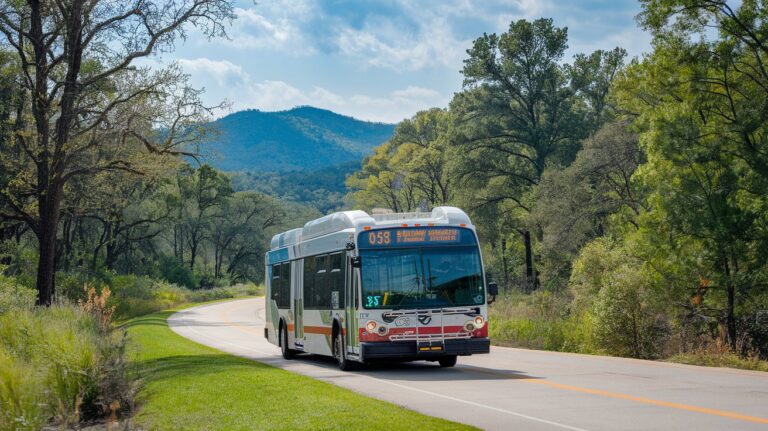
The DART Board of Directors holds ultimate authority over all major transit system decisions, including budget approvals, service modifications, fare adjustments, and capital project authorizations. In 2025, the board oversees a comprehensive transit network including light rail, bus rapid transit, local bus service, and paratransit operations serving over 700,000 daily riders across the Dallas-Fort Worth metroplex.
Board responsibilities extend beyond operational oversight to include strategic planning, policy development, and regional coordination with other transportation agencies. The DART leadership works closely with member city governments, the North Central Texas Council of Governments, and federal transportation authorities to align transit services with regional growth patterns and mobility needs.
Budget Oversight and Financial Management
The board maintains fiduciary responsibility for DART’s annual operating budget exceeding $700 million in 2025, derived primarily from a 1% sales tax collected within member cities. DART Board of Directors members review detailed financial reports monthly, approve major expenditures, and ensure compliance with federal transit administration requirements for grant funding and operational efficiency standards.
Financial oversight includes monitoring fare revenue performance, evaluating cost-effectiveness of service routes, and approving capital improvement projects that enhance system reliability and capacity. The board’s financial stewardship directly impacts service quality and expansion opportunities throughout the DART board of directors Dallas area service territory.
Revenue Sources and Allocation
DART’s primary funding comes from the 1% sales tax collected within member cities, supplemented by fare revenue, federal grants, and advertising income. The DART Board of Directors annually reviews revenue projections and allocation strategies to balance operational needs with capital improvement requirements and service expansion initiatives.
Capital Project Approval Process
Major capital projects requiring board approval include rail line extensions, station improvements, bus facility upgrades, and technology implementations. The DART leadership presents detailed project proposals including cost estimates, funding sources, and implementation timelines for board consideration and formal approval before project commencement.
Service Planning and Route Development
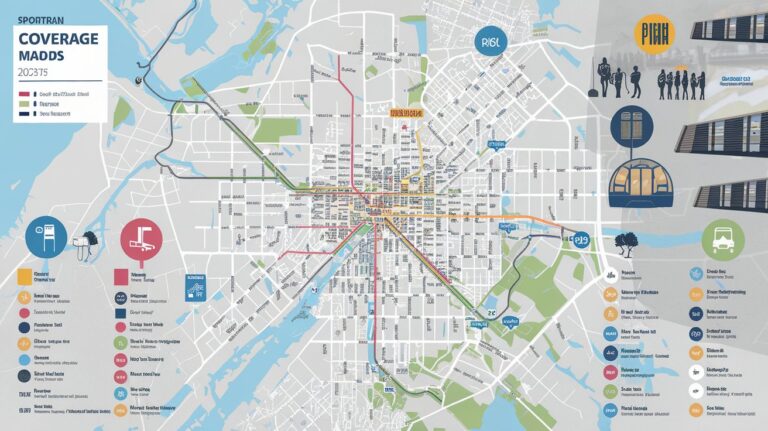
Board members actively participate in long-term service planning decisions that shape transit accessibility across the Dallas metropolitan area. The DART Board of Directors reviews ridership data, community input, and demographic trends to guide service modifications, route additions, and frequency adjustments that maximize public benefit while maintaining operational efficiency.
Service planning decisions often involve balancing competing priorities among member cities, addressing equity concerns in underserved communities, and responding to changing travel patterns in the post-pandemic environment. The board’s strategic decisions directly influence transit access for employment centers, educational institutions, healthcare facilities, and recreational destinations throughout the region.
Public Engagement and Community Relations
The DART Board of Directors prioritizes community engagement through various outreach initiatives including town hall meetings, stakeholder forums, and digital feedback platforms. Board members regularly participate in community events and maintain communication with constituent groups to understand evolving transportation needs and address service concerns effectively.
Public engagement efforts include multilingual communication strategies, accessibility accommodations for disabled residents, and targeted outreach to underserved communities. The board’s commitment to transparent communication helps build public trust and ensures transit services align with community priorities and demographic changes across the DART board of directors Dallas area territory.
Digital Communication Platforms
DART utilizes multiple digital platforms including social media, mobile applications, and the official website to facilitate ongoing communication between the DART Board of Directors and the riding public. These platforms enable real-time service updates, meeting notifications, and feedback collection to enhance transparency and responsiveness.
Community Advisory Committees
The board works with various advisory committees representing seniors, disabled riders, environmental advocates, and business interests. These committees provide specialized expertise and community perspectives that inform DART leadership decisions on service improvements, accessibility enhancements, and sustainability initiatives.
Related video about dart board of directors
This video complements the article information with a practical visual demonstration.
Your questions answered
How often does the DART Board of Directors meet?
The DART Board of Directors meets monthly on the fourth Tuesday at 1:30 PM. All meetings are open to the public and available through live streaming. Special meetings may be called as needed for urgent matters requiring immediate board attention.
How are DART Board members selected?
Board members are appointed by their respective member cities, with larger cities appointing multiple representatives based on population. Appointees typically have backgrounds in business, finance, transportation, or public administration and serve staggered four-year terms.
Can the public speak at DART Board meetings?
Yes, the public can participate in two ways: general public comments at the beginning of meetings and item-specific comments during agenda discussions. General comments are limited to 30 minutes total, with individual speakers having three minutes each.
What is the DART Board’s annual budget responsibility?
The DART Board of Directors oversees an annual budget exceeding $700 million in 2025, primarily funded through a 1% sales tax collected within member cities, supplemented by fare revenue, federal grants, and other income sources.
How can I watch DART Board meetings online?
All DART Board meetings are available through live streaming on DART’s official website and archived for later viewing. The streams include closed captioning and provide full access to board discussions and public comment periods.
Which cities are represented on the DART Board?
The DART Board represents 13 member cities in the Dallas area, including Dallas, Plano, Richardson, Garland, Irving, Addison, Carrollton, Cockrell Hill, Farmers Branch, Glenn Heights, Highland Park, Rowlett, and University Park, with representation based on population size.
| Board Aspect | Key Details | Community Benefits |
|---|---|---|
| Board Composition | 15 members from 13 cities, 4-year staggered terms | Balanced regional representation |
| Meeting Schedule | Monthly meetings, 4th Tuesday, 1:30 PM | Regular public access and transparency |
| Budget Oversight | $700+ million annual budget management | Responsible financial stewardship |
| Public Participation | Live streaming, public comments, community forums | Democratic input in transit decisions |